Since 2006, UNDESA and UNDP, have been supporting the Plurinational State of Bolivia to strengthen the analytical capacities of government officials to inform development policies by using modelling tools. Through several capacity development projects, economy-wide and energy systems models have been transferred and a set of policy scenarios have been developed to address key issues of interest to the government. This collaboration has resulted in several contributions, including publications and policy notes prepared by government officials to disseminate the results and the findings of the modelling assessments. An inter-ministerial modelling team of government officials has been established that is now capable to undertake policy analysis in response to requests from senior decision-makers.
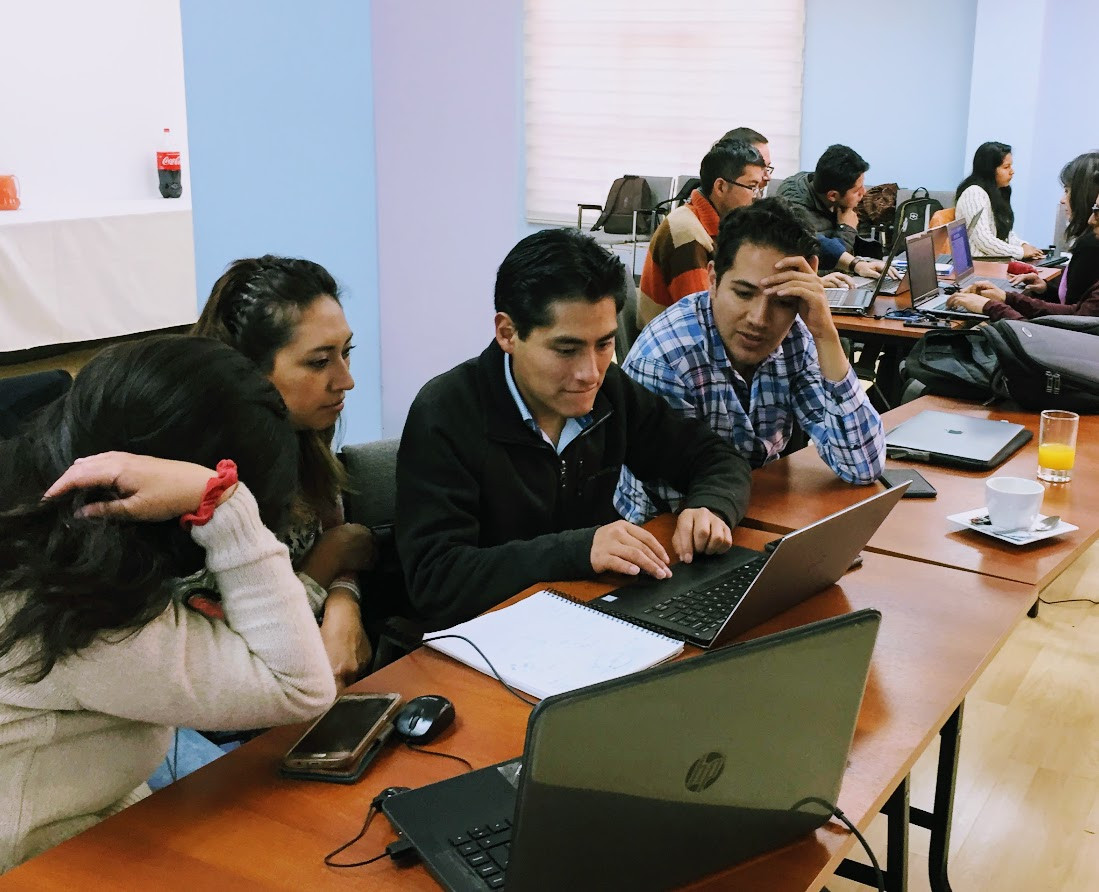
Bolivia: Impact of capacity development shaping policies in Bolivia
The utility of such projects has been highlighted on several occasions. For example, one of the general equilibrium models transferred by UNDESA was useful for informing the 2025 Patriotic Agenda by estimating GDP growth and government budget requirements to finance the implementation of plans and programs. The OSeMOSYS energy model enabled the Unit for Social and Economic Policy Analysis (UDAPE) of the Ministry of Development Planning to contribute analysis to support an assessment of energy sector development to help establish Bolivia's Intended Nationally Determined Contribution (INDC) under the Paris agreement. Furthermore, the Long-range Energy Alternatives Planning system of the country (LEAP) was updated by UNDESA, in collaboration with the Royal Institute of Technology of Sweden (KTH), and UNDP support. As a result of this, a conference was organized to disseminate the results of both energy models to a wide audience, addressing both contributions and limitations to key features of Bolivia’s Plan for Economic and Social Development 2016-2020 (PDES). Selected policy notes using the energy models were used to inform the Energy Development Plan of the Ministry of Hydrocarbons.
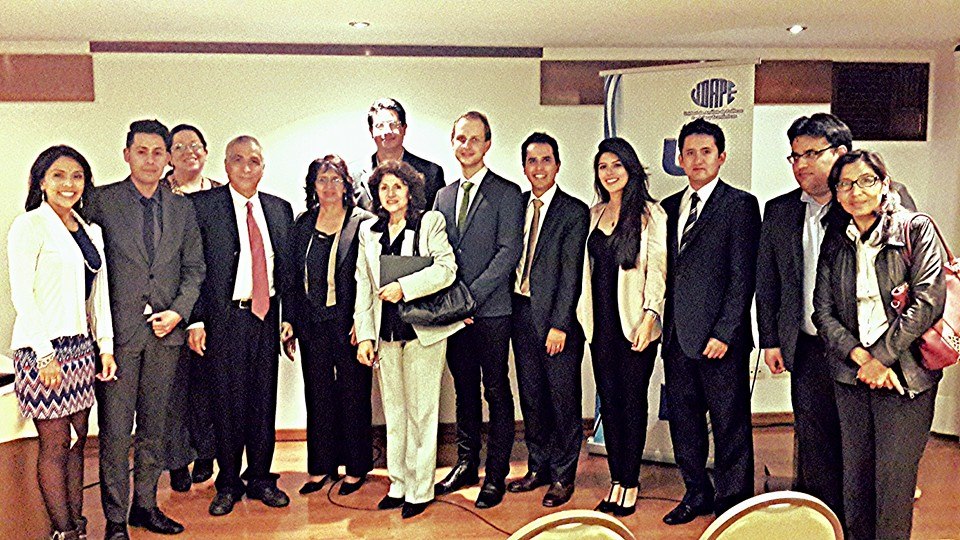
Likewise, in the Symposium "Promotion of inclusive and responsible public administration for sustainable development" that took place on March 16 and 17, 2016, Mrs. Mirna Mariscal, Subdirector of Macroeconomic Policy of UDAPE, highlighted the importance of capacity development projects to strengthen the technical expertise of the Government in the use and improvement of economic and energy models.
The tools that are part of the UNDESA-UNDP portfolio include economy-wide models with modules in energy, health and human development; micro-simulations to assess the impact of policies on poverty dynamics and other household socio-economic indicators; energy systems models and energy planning. Currently, an integrated methodology of climate, land use, energy and water (CLEWs) is under development, which facilitates the analyses of interrelationships between the three dimensions of sustainable development -economic, environmental and social- in policy design and planning.
Bolivia’s continuous engagement with the modelling tools and the evidence of their use to inform policies is a good example of the importance of making innovative and tailored models accessible to developing countries.